Resources
Integration guides
How a model gets into software that already exists, written for the person who has to approve it rather than the one who writes the code.
Latest
5 pieces 12 min readHow to Develop an AI Accounting Automation SystemGuide to building AI accounting automation: when to build custom, realistic timeline, costs, and how to make the right decision for your finance team.
 12 min readAI Document Processing for Real Estate: Claims, Not ValuesDeveloper price lists, brochures and partial updates break most document AI. Here is the claims-based design that keeps real estate inventory data accurate.
 14 min readHow to Automate Payment Workflows in Fintech StartupsPayment workflow automation for fintech startups: how to handle idempotency, retries, reconciliation and payout controls without shipping duplicate charges.
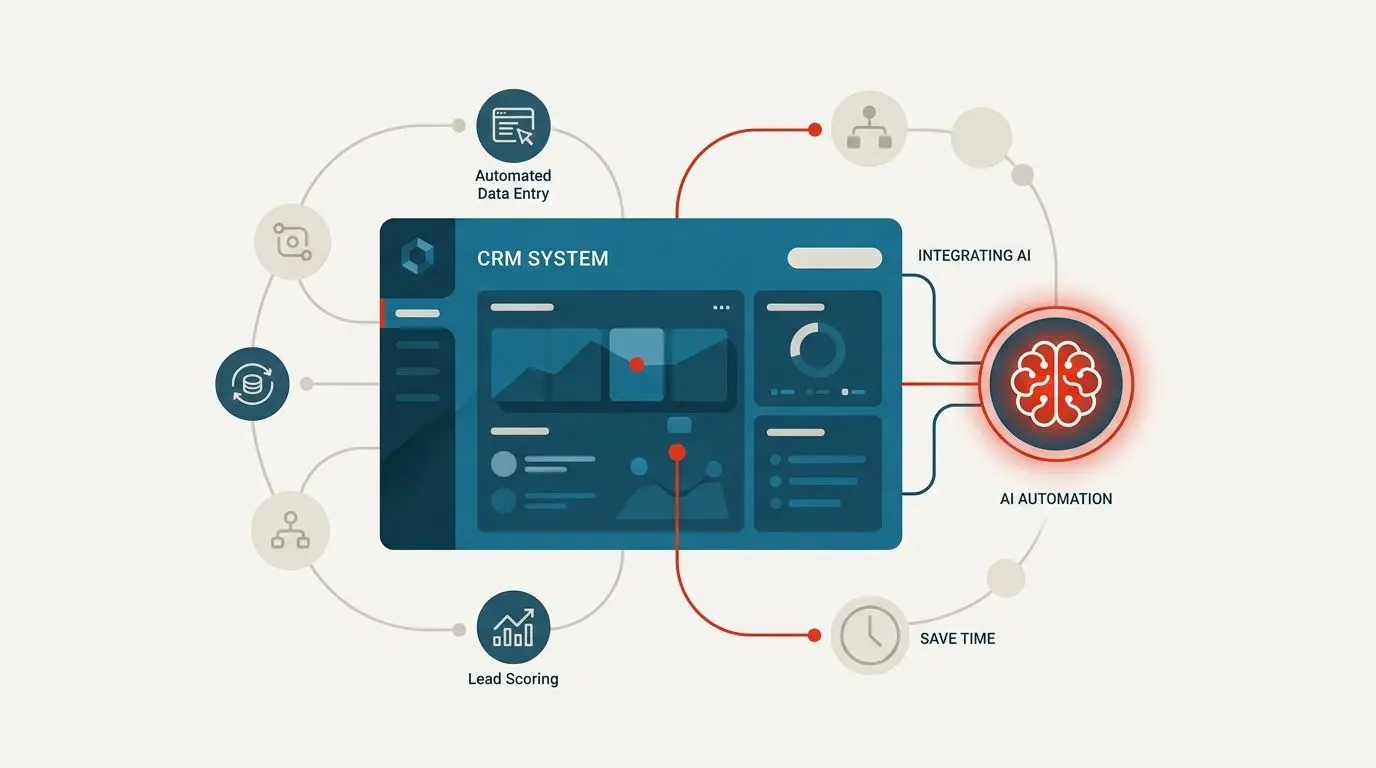 11 min readIntegrate AI into Your Existing CRM: Save 20 Hours a WeekLearn how to integrate AI APIs into your existing CRM to automate manual data entry, score leads, and save your sales team up to 20 hours a week.
What an AI integration actually turns on
A model going into software that already exists is mostly not a modelling problem at all. The endpoint you call and the place your data is allowed to sit decide more than the model choice ever does.
- Which endpoint
- A hosted API is faster to ship and an open weight model on your own hardware keeps the data in the building. Where the data is allowed to sit decides it, and benchmark scores rarely come into it.
- What happens to the data
- Retention switched off on a hosted endpoint is what keeps your inputs out of training sets. Residency and who can read the logs get settled before anybody writes code, because retrofitting them means building twice.
- Who holds it afterwards
- The keys and the middleware should end up with you rather than with the agency. An integration nobody but the agency can change is a dependency wearing a different name.
Next stepLet AI do the repetitive
Let AI do the repetitive
half of the job.
Data entry, answering the same tickets, chasing numbers between systems. We automate the parts that repeat. Your team keeps the parts that need judgement.